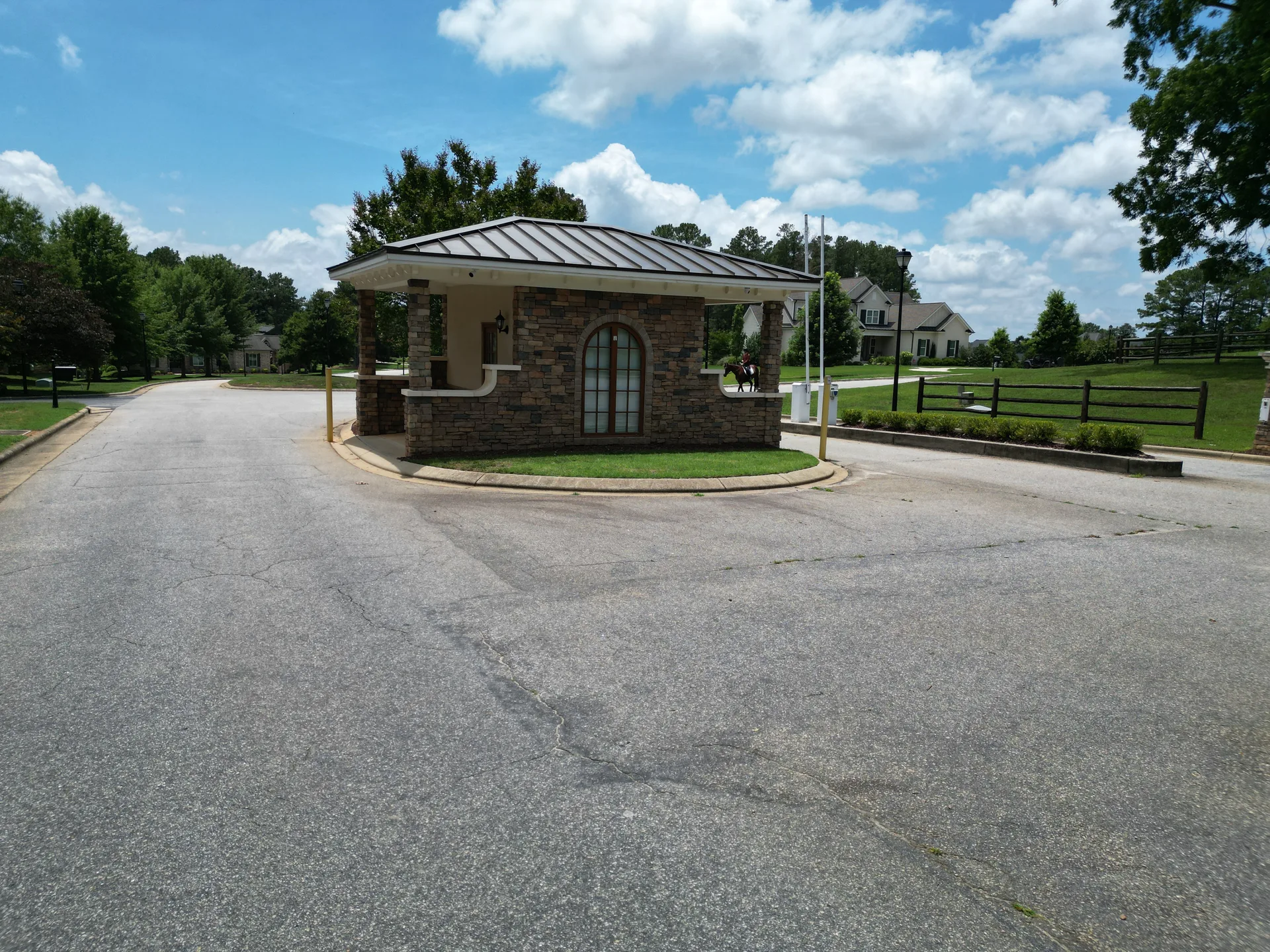
Can you run a short-term rental in Johnston County? The honest answer is: it depends on your zoning, your covenants, and your taxes, in that order. North Carolina law prevents counties from outright banning vacation rentals, but Johnston County's zoning rules, the state's tax rules, and Portofino's own governing documents all set real limits. Here is what a buyer considering a home like 297 Bonaventure Dr should check before ever listing a property for rent.
What State Law Says
North Carolina's Vacation Rental Act (G.S. Chapter 42A) governs rentals of fewer than 90 days and establishes the framework that keeps vacation rentals legal across the state. State law also limits how far counties can go with local registration and permit requirements. National summaries of North Carolina's short-term rental laws walk through the same basics: no statewide ban, county-level rules vary, and a written rental agreement with clear house rules is your best protection as a host. None of that replaces reading your own documents, but it sets the baseline that Johnston County works within.
The Johnston County Zoning Check
The county's rules live in the Johnston County Code of Ordinances, administered by Johnston County Planning & Zoning. Whether a short-term rental is a permitted use, a special-use permit, or not allowed at all depends on the zoning district of the specific address, and the county directs owners to confirm zoning through its MapClick GIS before making plans. County land-use and permit rules, such as those in land-use permit provisions, apply to changes of use, so the first call belongs to the planning office with your parcel in hand. Zoning answers are address-specific; never assume a neighbor's approval applies to your lot.
The Tax Side: Sales Tax and Occupancy Tax
North Carolina applies state sales tax to short-term lodging, and Johnston County's local taxes add an occupancy component. The practical simplification is that Airbnb, Vrbo, and other marketplaces collect and remit these taxes on hosts' behalf once a host crosses certain sales thresholds, roughly $100,000 in North Carolina sales or 200 transactions per year, and hosts who book only through those platforms generally meet their tax obligations through them. State-by-state short-term tax guides explain the mechanics, and your accountant is the final word for your situation. The point for buyers: rental income is taxable income, and the platform handles most of the collection for you.
Portofino's Documents Come First
Before the county even enters the picture, your community's covenants do. Portofino is governed by a recorded declaration of covenants, conditions, and restrictions plus an owners association disclosure, and both are public documents attached to this property. You can read the declaration of covenants, conditions, and restrictions and the owners association disclosure yourself, and you should, because many managed communities restrict or prohibit short-term leases regardless of what county zoning allows. The documents page on this site keeps all of them together, including the community disclosure, architectural guidelines, and the CMA summary, so every buyer can review the rules before making an offer.
This is not boilerplate. A rental strategy that looks good on paper becomes a fine or a covenant violation if the HOA prohibits transient occupancy, and no buyer wants to discover that after closing. The professional move is to review the covenants with your attorney early, confirm zoning with the county, and only then model the rental income.
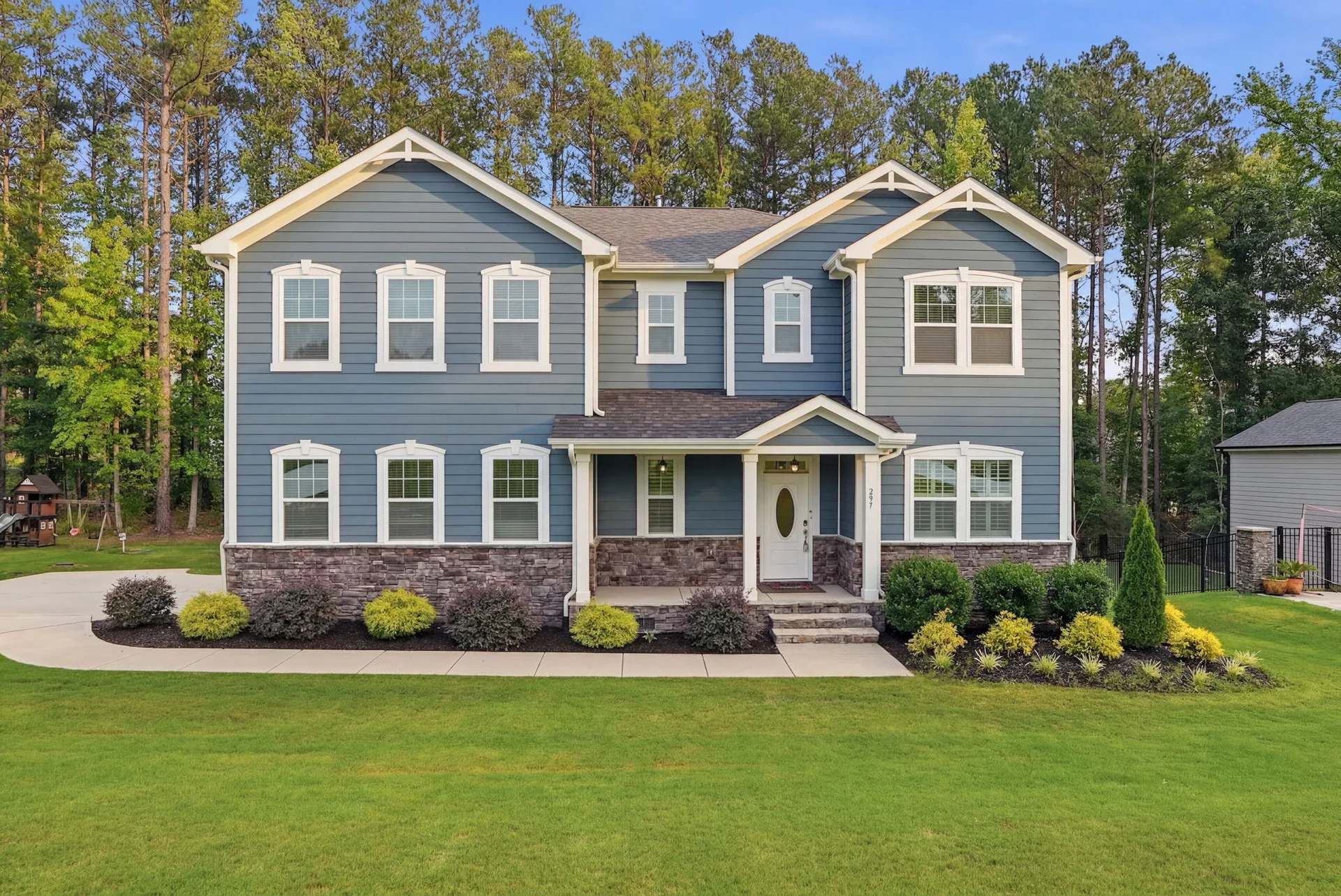
What 297 Bonaventure Dr Offers the Right Owner
If the covenants and zoning allow it, a home like 297 Bonaventure Dr checks the boxes that short-term guests actually book for: four bedrooms across two floors, a gated resort community with two pools and trails, an equestrian center nearby, a screened porch on a wooded half-acre, and a garage that already has a Level 2 EV charger installed. Its location between Clayton, Flowers Plantation, and the Raleigh commute also gives guests a real itinerary, not just a place to sleep. But the first conversation in this house is always about what the governing documents permit, and that is a conversation Phil Slezak has with every buyer before the offer, with the documents in hand.
Want to run your own analysis? Start with the document vault, then investment insights for ownership-cost math, and book a tour of 297 Bonaventure Dr to walk the property while you talk through your plan. You can also book a consultation with Phil to pressure-test the numbers before you commit.
Schedule your tour today: Book a meeting with Phil Slezak
Call: 919-899-2320
Email: info@philslezak.com

Phil leads one of the top-producing real estate teams in the Greater Triangle and Brunswick County areas, with over $200 million in sales and a growing footprint across North Carolina.