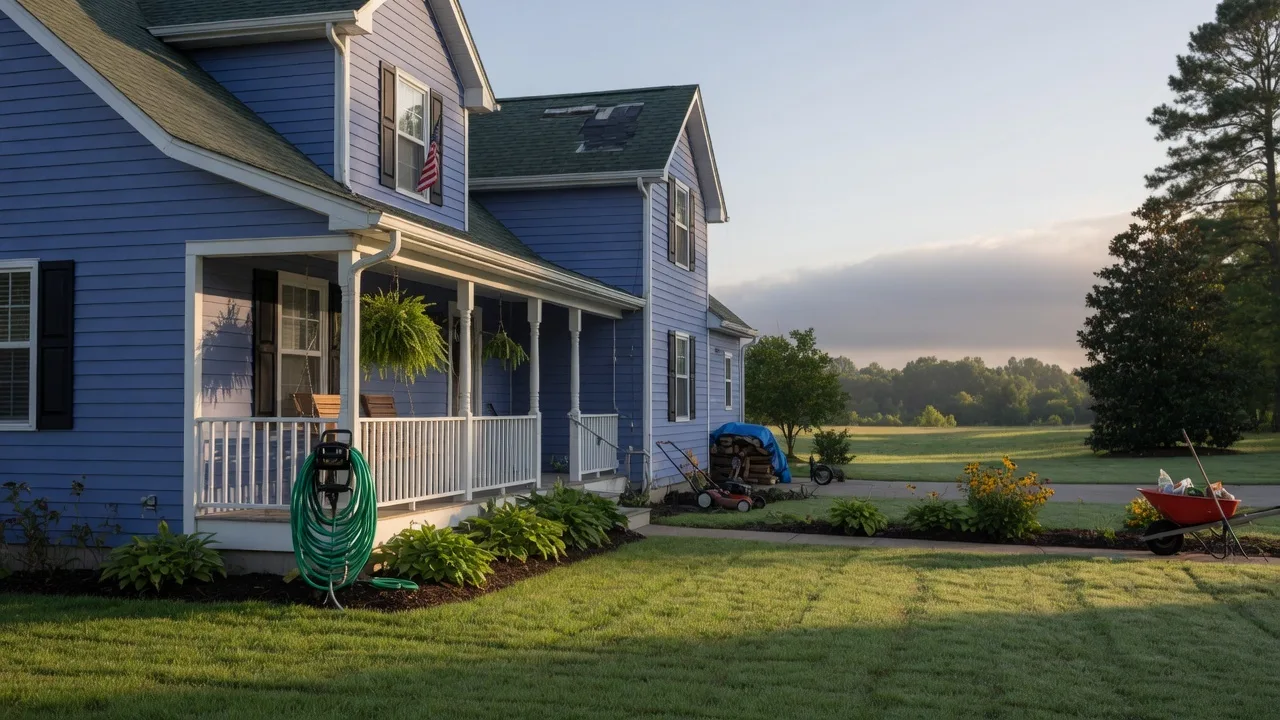
Late July in North Carolina marks the midpoint of hurricane season — and the transition from the peak of summer maintenance into the preparations that carry a home through fall and winter. For homeowners in Clayton and especially in the Portofino community, where screened porches, wooded lots, and walk-in crawl spaces are part of daily life, this is the moment to shift focus from keeping cool to staying protected. Here is a practical guide to what matters most from now through November.
Hurricane Season Is Here: Prepare Now
North Carolina's Atlantic hurricane season runs from June 1 through November 30, with peak activity typically occurring from mid-August through October. In May 2026, Governor Josh Stein urged all North Carolinians to prepare for the season ahead — a reminder that the state's coastal and inland communities alike face real risk from tropical systems that can bring flooding, high winds, and extended power outages hundreds of miles inland.
For Clayton homeowners, who sit roughly 100 miles from the coast, the primary threats are heavy rainfall, sustained winds, and tornadoes embedded in tropical bands. The Neuse River corridor, which runs near Portofino, can rise quickly during prolonged rain events. Here is what to address now:
Gutters, Downspouts, and Drainage
Clean gutters and downspouts are your first line of defense against foundation moisture. Johnston County's summer thunderstorms can drop several inches of rain in under an hour, and a clogged gutter system sends water cascading over the fascia — directly against the foundation. Check that downspouts extend at least four feet from the house. For homes with walk-in crawl spaces like 297 Bonaventure Dr, verify that the crawl space is dry and that the vapor barrier is intact. Standing water in a crawl space after a heavy rain is a sign that exterior drainage needs attention.
Tree and Branch Management
Portofino's wooded lots are one of the community's greatest assets — but mature trees close to the house need seasonal attention. Identify any branches that overhang the roof or touch the siding. Deadwood should be trimmed before a storm turns it into a projectile. Also check that trees are not leaning or showing signs of root instability, which can become dangerous in saturated soil during a prolonged rain event.
Emergency Kit and Supplies
Every North Carolina home should have a basic storm kit: flashlights with fresh batteries, a battery-powered radio, a portable phone charger, non-perishable food and water for at least 72 hours, and a first aid kit. Label your breaker panel so you can quickly shut off power to specific areas if needed. If you have a generator, test it now — not when the storm is bearing down.
HVAC Transition: From Cooling to Heating
August and September still demand heavy cooling, but the transition to heating season arrives faster than most homeowners expect. Scheduling a professional HVAC tune-up in early fall — before the first cold snap — ensures your system switches over without a mid-season failure.
Replace air filters monthly through October. As leaves begin to fall, check that the outdoor condenser unit is clear of debris. If you have a heat pump, which is common in newer North Carolina construction, verify that the auxiliary heat strips are functioning — they engage when temperatures drop below the heat pump's efficient operating range, and discovering they are not working on the first freezing night is a frustration you can avoid.
Weatherization: Sealing the Envelope
The U.S. Department of Energy estimates that sealing gaps around windows and doors can reduce heating and cooling costs by up to 20 percent. In homes with plantation shutters — like the ones throughout the main level of 297 Bonaventure Dr — the shutters themselves provide an insulating layer, but the window frames behind them should still be checked for drafts.
Inspect exterior caulking around windows, doors, and where siding meets the foundation. Look for cracked or missing caulk and replace it before cooler weather arrives. For sliding glass doors, check that the sweep at the bottom is intact and that the door tracks are clean. These small fixes add up to measurable comfort and energy savings over the heating season.
Fireplace and Chimney Readiness
If your home has a gas or wood-burning fireplace, have the chimney inspected and cleaned before the first fire of the season. Creosote buildup in wood-burning fireplaces is a fire hazard that is entirely preventable with an annual inspection. For gas fireplaces, verify that the pilot light and ignition system are functioning and that the glass front seals properly. Portofino homes with fireplaces — the main living area at 297 Bonaventure Dr features a gas fireplace with a marble surround — benefit from a professional check before the entertaining season begins.
Outdoor Living: Protecting Your Porch and Deck
Screened porches are one of Portofino's most beloved features, but they take a beating from summer sun, humidity, and storms. Inspect the screening for tears or loose spots. Check the deck boards for soft spots, splitting, or nail pops. Clean the porch floor and framing with a mild detergent to remove mildew buildup. A coat of sealant on wood surfaces every two to three years extends the life of the porch significantly.
For the backyard, store or secure outdoor furniture, cushions, and grills before the first fall storm. Hurricane-force winds can turn a patio umbrella into a hazard. If you have a garden, now is the time to harvest remaining summer crops and prepare beds for cool-season planting.
Safety Checks: Smoke and Carbon Monoxide Detectors
As you button up the house for the cooler months, test every smoke detector and carbon monoxide detector. Replace batteries even if the detectors are still chirping. The National Fire Protection Association recommends replacing smoke detectors every 10 years and CO detectors every 5 to 7 years. If you cannot remember when yours were installed, check the manufacturing date on the back and replace them if they are near the end of their service life.
The Late Summer Checklist at a Glance
- Clean gutters and verify downspout drainage extends away from foundation
- Trim overhanging tree branches and remove deadwood
- Assemble or restock emergency storm kit
- Schedule HVAC professional tune-up before fall
- Replace air filters (monthly through October)
- Inspect and seal exterior caulking around windows and doors
- Have chimney inspected and cleaned before first use
- Inspect screened porch for tears, damage, and mildew
- Test all smoke and carbon monoxide detectors
- Secure or store outdoor furniture before storms
- Check crawl space for moisture and vapor barrier integrity
- Label breaker panel if not already done
Why Preparation Matters for Portofino Homeowners
A home like 297 Bonaventure Dr represents a significant investment in quality of life. Protecting that investment through seasonal maintenance is not just about avoiding repair costs — it is about ensuring that the home continues to perform at its best through every season. North Carolina's weather is predictable only in its variability, and the homes that weather the swings best are the ones whose owners stay a step ahead.
Whether you are already a Portofino resident or considering a move to the community, understanding the local climate and maintenance rhythm is part of making an informed decision. The screened porch, the walk-in crawl space, the plantation shutters, and the gourmet kitchen are all designed for year-round enjoyment — but only if they are cared for on the right schedule.
Questions about a home in Portofino? Phil Slezak can help — whether you are buying, selling, or simply maintaining the home you love. Schedule a consultation or call 919-899-2320.

Phil leads one of the top-producing real estate teams in the Greater Triangle and Brunswick County areas, with over $200 million in sales and a growing footprint across North Carolina.