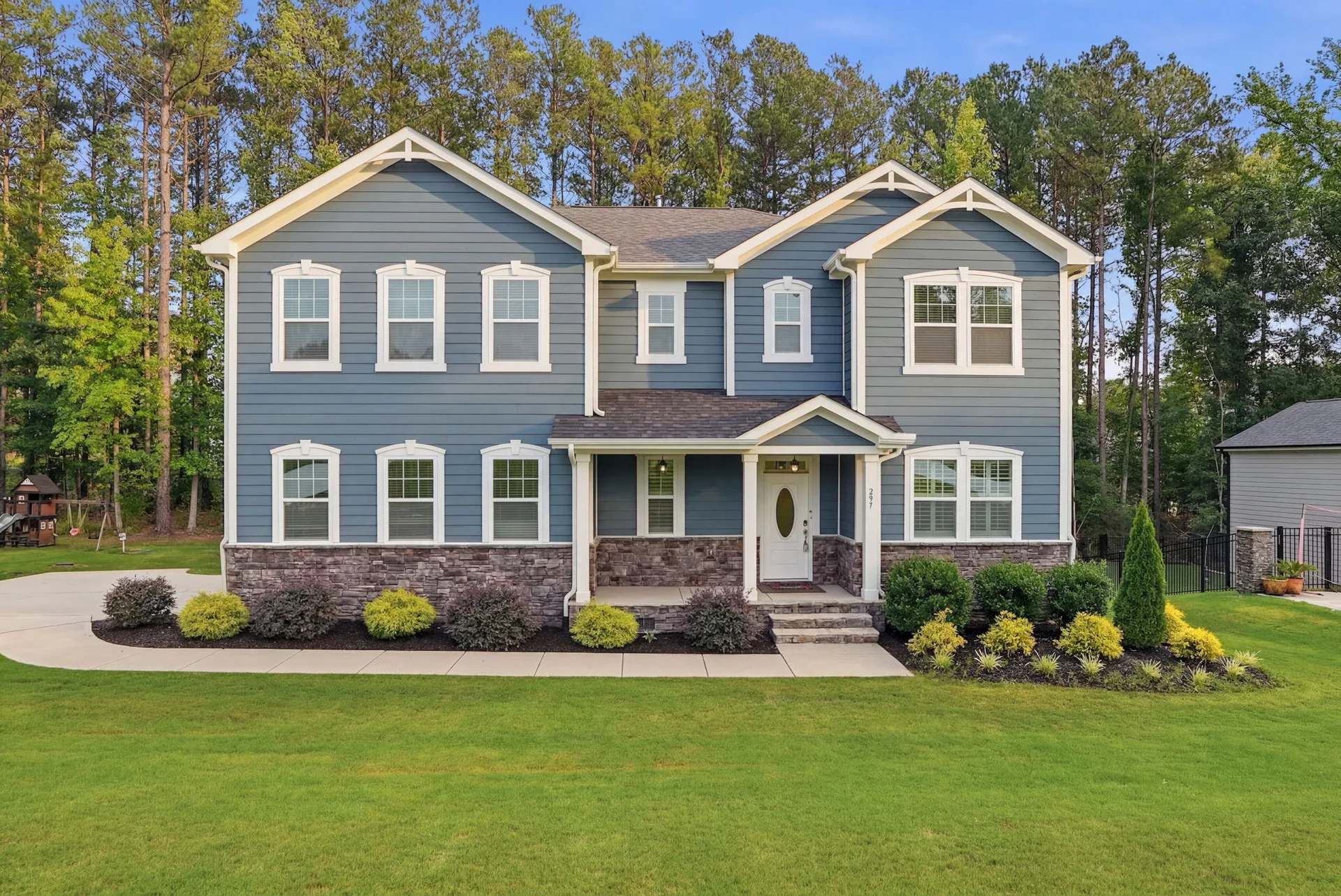
In Clayton NC, the home inspection is the single most valuable thing a buyer can schedule inside the due diligence period, and knowing what it covers, what it costs, and what it deliberately misses can save you thousands of dollars. In North Carolina, every licensed home inspection is a visual, noninvasive review of a home's structure and systems, performed under the state's Standards of Practice. This 2026 guide walks Clayton and Johnston County buyers through the process end to end, from choosing an inspector to reading the report, with a close look at what a tour of homes like 297 Bonaventure Dr in Portofino typically turns up.
Who Can Inspect a Home in North Carolina
North Carolina is one of the stricter states in the country here. Home inspectors must be licensed by the NC Home Inspector Licensure Board and are required to follow the board's Standards of Practice, which were most recently updated effective October 1, 2024. That means the inspector you hire has passed state licensure requirements, carries errors and omissions insurance, and is legally bound to report a defined set of items in writing.
Before you book anyone, check the license number, confirm the insured indemnity bond is current, and ask whether the inspector will be on site personally for the full walk-through. A busy firm that sends an assistant to do the walk and a separate person to write the report is a red flag; you want the person holding the flashlight to be the same person writing the findings.
What a Standard Home Inspection Covers
The North Carolina Standards of Practice define the inspection as a visual, noninvasive written evaluation of the residential building and its systems. For a typical single-family home in Clayton, a licensed inspector will evaluate:
- Structural components. Foundation, floors, walls, columns and piers, ceilings, and roof framing, watching for settlement, water staining, and signs of movement.
- Roofing. Covering materials, flashing, gutters, downspouts, and ventilation, plus a reasonable check of the roof surface from the ground, a ladder, or a walk where safe.
- Exterior. Cladding and siding, trim, doors and windows, porches and decks, grading and surface drainage around the foundation.
- Interior. Walls, ceilings, floors, stairs, and railings, plus any visible water damage or moisture intrusion.
- Electrical. Service entrance, panels and breakers, visible wiring, outlets, and smoke and carbon monoxide detectors.
- Plumbing. Visible supply and drain systems, fixtures, water heater, and evidence of leaks.
- Heating and air conditioning. The HVAC equipment, accessible ductwork, and operating controls, with limits noted in the report.
- Insulation and ventilation. Attic and crawl space insulation and venting.
- Built-in appliances. The range, oven, dishwasher, garbage disposal, and other installed equipment that comes with the home.
The report is a snapshot of the home's condition on the day of the inspection, not a guarantee that nothing will ever break. Read it as a maintenance and safety roadmap, not as a reason to panic.
What a Standard Inspection Does NOT Cover
The gaps matter as much as the coverage. A standard inspection does not include wood-destroying insect checks, invasive testing, or specialized systems, and buyers who assume they are included end up surprised at renegotiation time. Plan for these separately:
- Termites and wood-destroying insects. Always a separate report, and almost always required by your lender. See below.
- Radon. An indoor air test that takes 48 hours or more; Johnston County's piedmont soils and clay mean many Triangle buyers order one as a standard extra.
- Sewer scope. A camera run through the sewer line that tells you the actual condition of the pipes between the house and the street.
- Mold and moisture testing. Ordered when the inspection finds conditions, like visible water staining or a damp crawl space, that warrant sampling.
- Pools, wells, and septic systems. Each requires its own certified specialist license in North Carolina.
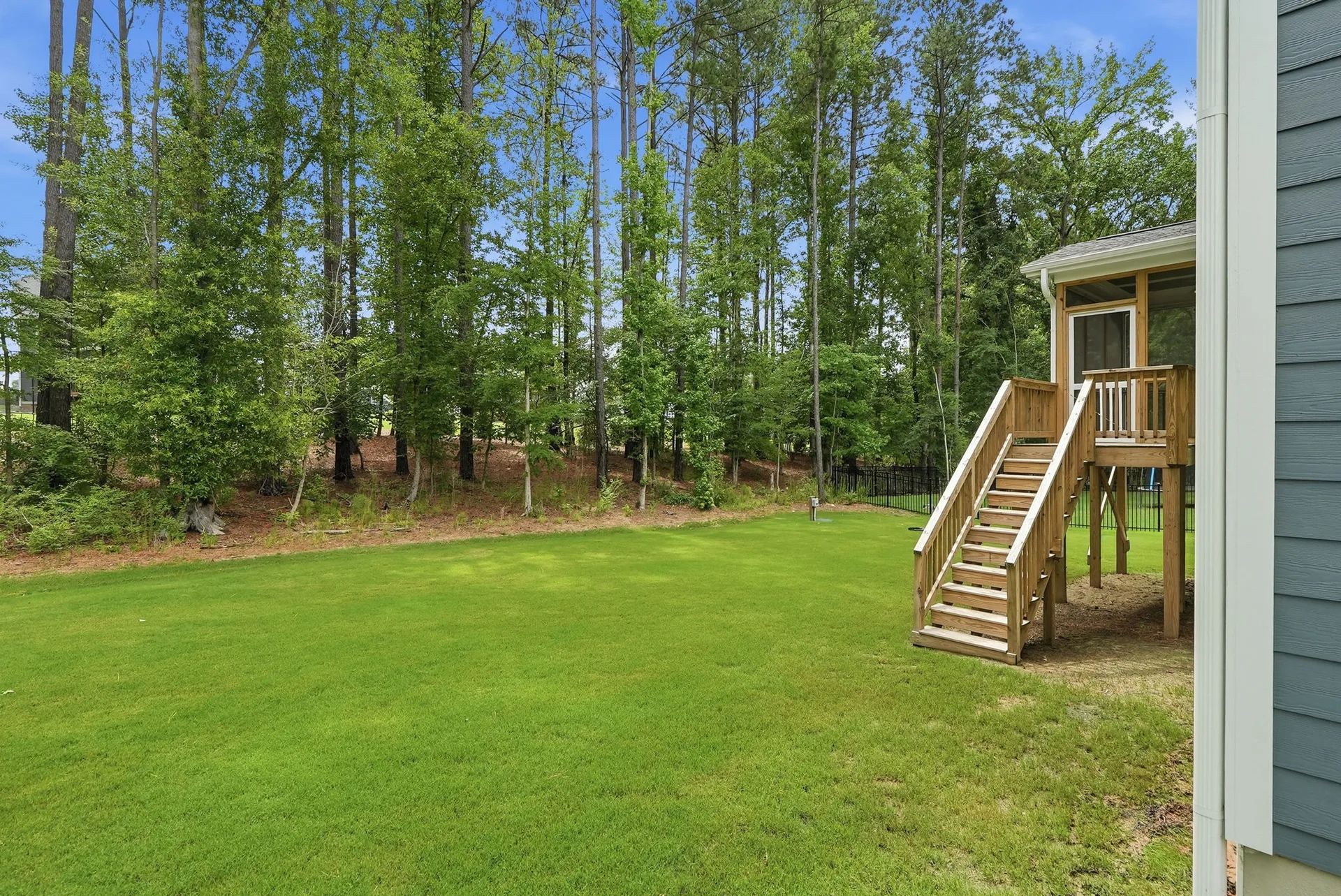
If the home sits on a half-acre wooded lot, like 297 Bonaventure Dr, also have the inspector pay close attention to grading and tree clearance: where the ground slopes toward the foundation and how close mature limbs hang over the roof and gutters are two of the most common findings on wooded lots.
The Termite Report NC Buyers Almost Always Need
North Carolina has a specific, legally mandated form for this: the Wood-Destroying Insect Information Report, or WDIR-100, which is the only form allowed for this purpose in the state. It must be completed by a licensed structural pest control firm, and it reports all visible evidence of termites, powderpost beetles, old house borers, carpenter ants, and carpenter bees, plus conditions conducive to subterranean termites, like wood-to-ground contact or heavy mulch piled against the siding.
Most lenders, including FHA, VA, and conventional loans, require a WDIR report as a condition of financing, and the report is generally only valid for about 30 days from the inspection date, so time it to stay inside your closing schedule. Budget roughly $50 to $150 for the termite report on top of the main inspection.
What a Home Inspection Costs in Clayton NC
For a typical single-family home in North Carolina, a full home inspection generally runs about $300 to $500, with $325 to $525 the commonly quoted range depending on square footage, age, and the distance the inspector travels. Plan on $450 to $700 total once you add the termite report and one or two extras like a radon test or sewer scope.
Do not shop for the cheapest inspector. The difference between a $300 walk-through and a $500 walk-through is usually the time the inspector spends on site, the depth of the report you receive, and the quality of the photos documenting each finding. In a balanced market like Clayton's in 2026, that documentation is what wins repair negotiations.
How Inspections Fit North Carolina's Due Diligence Process
North Carolina's residential contract, the Standard Offer to Purchase and Contract, works differently from most states. The buyer and seller negotiate a due diligence period, typically 14 to 30 days for homes in Clayton, during which the buyer may terminate the contract for any reason or no reason at all.
In exchange for that flexibility, the buyer pays the seller a due diligence fee directly at contract execution. The fee is nonrefundable, but it is credited toward the purchase price at closing if the deal closes, and earnest money is held separately and refunded if you walk during the due diligence window. This structure is exactly why the inspection matters: if the report reveals a $15,000 roof repair you did not price in, you can walk, renegotiate, or ask the seller to address it, all inside the window you already paid for.
- Schedule the inspection early. The best inspectors book out several days, and you want time left in the window for a follow-up visit or a sewer scope.
- Attend in person. Walk the house behind the inspector, ask about every flagged item, and take your own photos. The education is worth the two hours.
- Get repair quotes fast. For significant findings, send two contractor estimates to your agent within a day or two of the report so negotiation stays inside the window.
- Read the whole report. Footer notes often matter more than the summary page, and they list the limitations on what was and was not inspected.
For the full picture of how offers and due diligence work in this market, see our guide to making a competitive offer in Clayton and the complete 2026 home buying guide.
Why Even a Newer Home Deserves an Inspection
A common Clayton question is whether a newer construction home, like the 2023 build at 297 Bonaventure Dr, still warrants a full inspection. It does, for three reasons. First, a new-to-you home means systems you have never run: the HVAC has a service history you do not know, and the water heater and appliances could be operating out of spec. Second, a builder warranty and a real estate inspection are different documents that rarely catch the same things, and the inspection report becomes your evidence trail if a warranty claim is needed. Third, the inspection confirms the details that close the deal, like balanced door operation, working detectors, and drainage that pulls water away from the foundation.
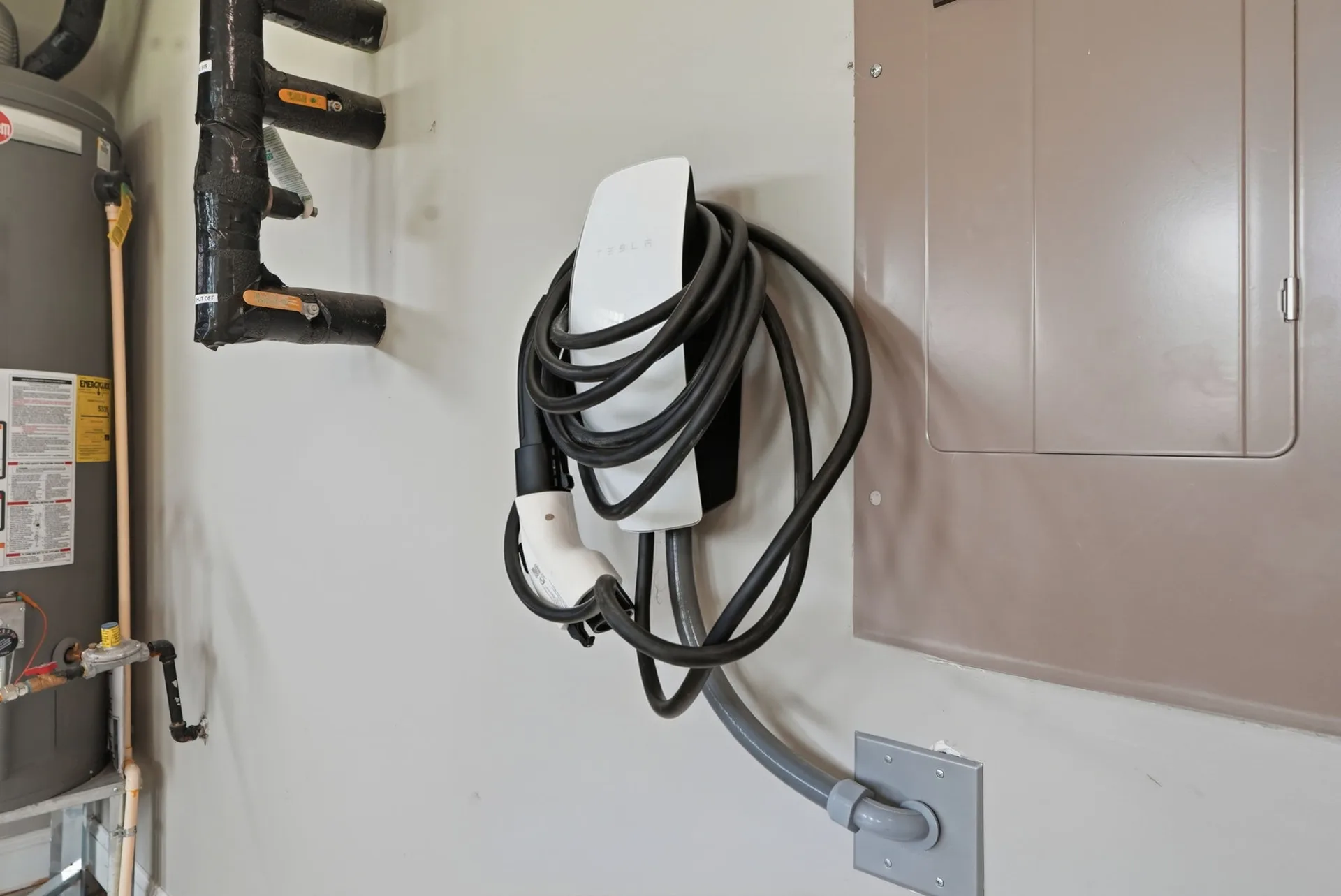
Homes in Portofino also tend to come with systems an inspector loves to see: the garage at 297 Bonaventure Dr includes a Level 2 EV charging connector with its own circuit, a walk-in crawl space that gives easy, standing access to the foundation and underfloor plumbing, and luxury vinyl plank flooring on the main level that shrugs off moisture. The walk-in crawl space in particular is a genuine inspection advantage, because it means the biggest blind spot in most homes is a well-lit space here. Our crawl space care guide explains why accessible underfloor space reads so well to buyers and inspectors alike.
Your Inspection Checklist for Clayton and Johnston County
- Hire a licensed inspector and verify the license number with the NC Home Inspector Licensure Board.
- Budget $450 to $700 for the inspection, termite report, and one or two add-ons.
- Order the WDIR-100 from a licensed pest control firm and confirm your lender's acceptance.
- Schedule inside your due diligence window with room for follow-ups and repair quotes.
- Attend the walk-through and turn the report into a prioritized maintenance list, not a fear list.
- Ask about the site. Drainage, grading, trees, and the crawl space tell you more about long-term costs than the paint does.
For buyers touring Portofino, the practical news is good: well-maintained homes like 297 Bonaventure Dr typically inspect cleanly, with findings limited to the routine maintenance items every home has. The value of the inspection is that you learn that before you commit, not after.
Ready to see a home worth inspecting? Browse the gallery or schedule a private tour of 297 Bonaventure Dr with Phil Slezak, and he will walk you through the exact inspection picture you can expect from this home.
Schedule your tour today: Book a meeting with Phil Slezak
Call: 919-899-2320
Email: info@philslezak.com

Phil leads one of the top-producing real estate teams in the Greater Triangle and Brunswick County areas, with over $200 million in sales and a growing footprint across North Carolina.