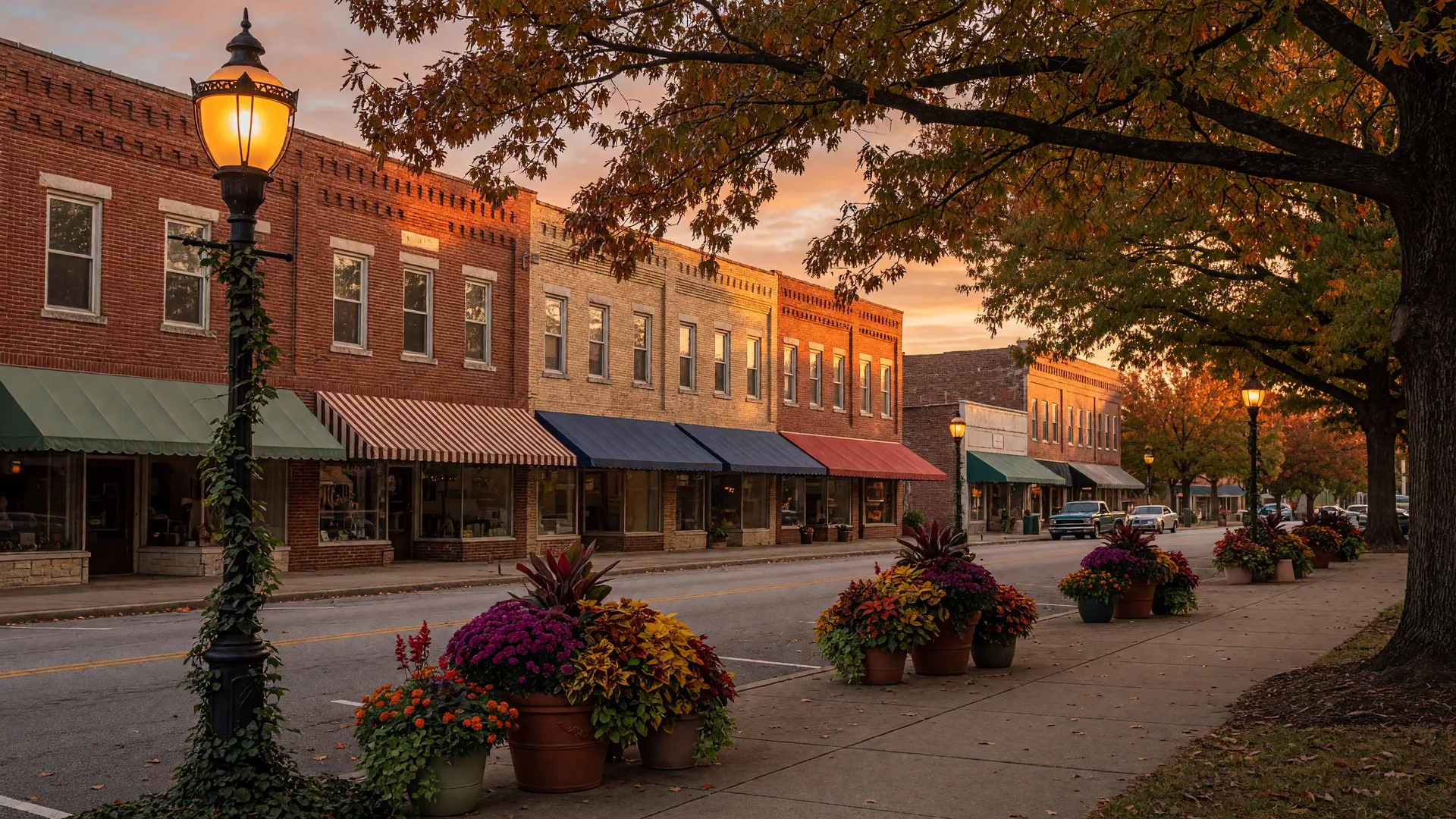
Every great home sits in a place with a story. Clayton, NC, and Johnston County are no exception — from Civil War battlefields and historic railroad depots to a Hollywood museum and a lantern-lit ghost walk through downtown. For residents of Portofino and buyers considering 297 Bonaventure Dr, the heritage of this area adds depth to the lifestyle. Here is a guide to the history, landmarks, and cultural heritage that make Johnston County one of the most interesting corners of the Triangle.
Clayton's Founding: From Stallings' Station to Incorporated Town
The land that became Clayton was originally inhabited by the Tuscarora people until the Tuscarora War of 1711–1713. European settlers followed, and by the 1770s, troops under Governor William Tryon had cut a road through the area marching from New Bern to Hillsborough during the Regulator movement.
The settlement that grew into Clayton was originally known as Stallings' Station — a depot along the North Carolina Railroad, which reached the area in 1855–1856. The railroad brought stores, commerce, and residents, and after the Civil War, Clayton Township was created in 1868 under the Reconstruction legislature. The Town of Clayton was officially incorporated on April 12, 1869. By 1907, the Raleigh Evening Times reported that there was "more money per capita in Clayton than any city its size in the world" — a testament to the early prosperity driven by agriculture, cotton, and the railroad.
The Clayton Historic District
Listed on the National Register of Historic Places in June 2010, the Clayton Historic District encompasses 271 contributing buildings, 2 contributing sites, and 1 contributing structure across 25 blocks in downtown Clayton. It includes both the historic business district and surrounding residential neighborhoods, with architecture ranging from antebellum to mid-20th century styles — Italianate, Queen Anne, Colonial Revival, Neoclassical, Bungalow, and Tudor Revival.
Notable buildings within the district include the Clayton Banking Company Building (listed on the NRHP in 1996), the Clayton Graded School & Auditorium (NRHP 2001), the Durham-Ellington-Compton House (circa 1850, one of the oldest surviving homes in Clayton), and the B.M. Robertson Mule Company stable — a reminder of the agricultural economy that shaped the town.
For anyone living at 297 Bonaventure Dr, the historic district is a 10-minute drive from Portofino's gate — close enough for a weekend afternoon exploring architecture and local shops, far enough that the gated privacy of Portofino feels like a world apart.
Bentonville Battlefield: The Last Major Engagement of the Civil War
About 30 minutes southeast of Clayton, the Bentonville Battlefield State Historic Site preserves the grounds of the largest Civil War land engagement fought in North Carolina. On March 19–21, 1865, Confederate forces under General Joseph E. Johnston launched one of the last major offensives against Union General William T. Sherman's army. The battle involved more than 80,000 troops and resulted in over 4,000 casualties.
Today, the site features a visitor center with exhibits, a film presentation, 7 miles of hiking trails through the battlefield, and the restored Harper House, which served as a field hospital during the fighting. Living history programs and reenactments are held throughout the year, and admission is free. It is a sobering and meaningful destination for history enthusiasts and families alike.
Notably, the surrender of Raleigh and North Carolina to General Sherman occurred on the railroad tracks in Clayton near O'Neil Street — putting this quiet Johnston County town in the center of history's final chapters of the Civil War.
Clayton Ghost Walks: History After Dark
For a different kind of history lesson, the Clayton Ghost Walks offer a lantern-lit, approximately one-mile walking tour through downtown Clayton. Led by Doug Pawlak, a former history teacher of nearly 30 years, the tour stops at familiar buildings and locations connected to ghost stories, local legends, and reported paranormal encounters — all grounded in actual local history. The tours operate on select evenings, cost $15 per person, and depart from Horne Square in downtown Clayton.
The Clayton Historical Association also hosts a free annual Clayton Historic Ghost Walk at the Clayton City Cemetery, typically in the fall, where costumed participants portray the spirits of Clayton's past. Both experiences offer a memorable way to connect with the community's history in a format that is as entertaining as it is educational.
The Ava Gardner Museum: Hollywood in Johnston County
Located in downtown Smithfield, about 20 minutes from Portofino, the Ava Gardner Museum celebrates the life and career of one of Hollywood's most iconic stars — who was born and raised on a farm just outside Smithfield. The museum features original costumes, personal letters, vintage photographs, and memorabilia spanning Gardner's career from the 1940s through the 1980s.
It is one of only a handful of museums in the country dedicated to a single actor, and it draws visitors from around the world. For Portofino residents, it is a cultural gem in the county's own backyard.
Johnston County Heritage Center and Museum
Just up the street from the Ava Gardner Museum, the Johnston County Heritage Center at 241 E. Market Street in Smithfield is the county's premier research facility for local history and genealogy. The center features rotating exhibits on Johnston County's past, a genealogy reading room, and self-guided walking tour maps of Smithfield's historic sites. The adjacent Johnston County Museum is housed in a renovated former bank building and contains the Johnston County Room collection for deeper historical exploration.
The Heritage Center is a volunteer-supported institution — one of many ways Johnston County residents can give back to the community while connecting with the area's rich past.
The Cotton Mill Era and Agricultural Roots
The Clayton Cotton Mill was a major industrial enterprise in the town's early growth. In 1912, photographer Lewis Hine documented child labor at the mill for the National Child Labor Committee — images that remain powerful historical artifacts of the era. The tobacco leaf, cotton, and railroad economies built Clayton and Johnston County into what they are today, and the Tobacco Farm Life Museum preserves this rural heritage through authentic exhibits and educational programming.
Additional Heritage Sites Near Portofino
- Ellington-Ellis Farm — A historic farmstead listed on the National Register of Historic Places, preserving early agricultural life in Johnston County.
- Benson Museum of Local History — Chronicles the daily life of area farmers and merchants in the nearby town of Benson.
- Stallings-Carpenter House — Another NRHP-listed property that tells the story of early Johnston County settlement.
- Four Oaks Commercial Historic District — A National Register historic district in neighboring Four Oaks, preserving early 20th-century commercial architecture.
What This Means for 297 Bonaventure Dr
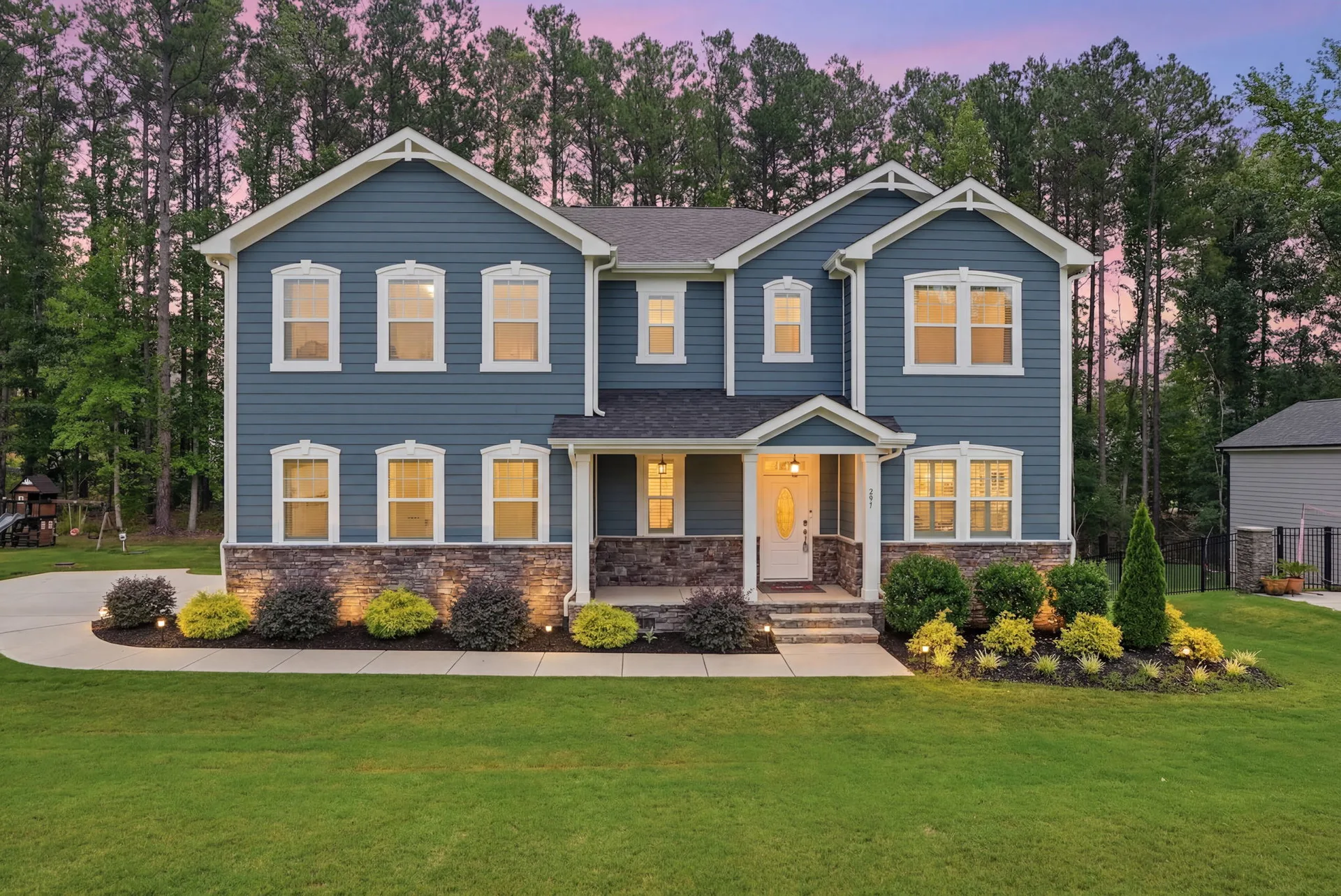
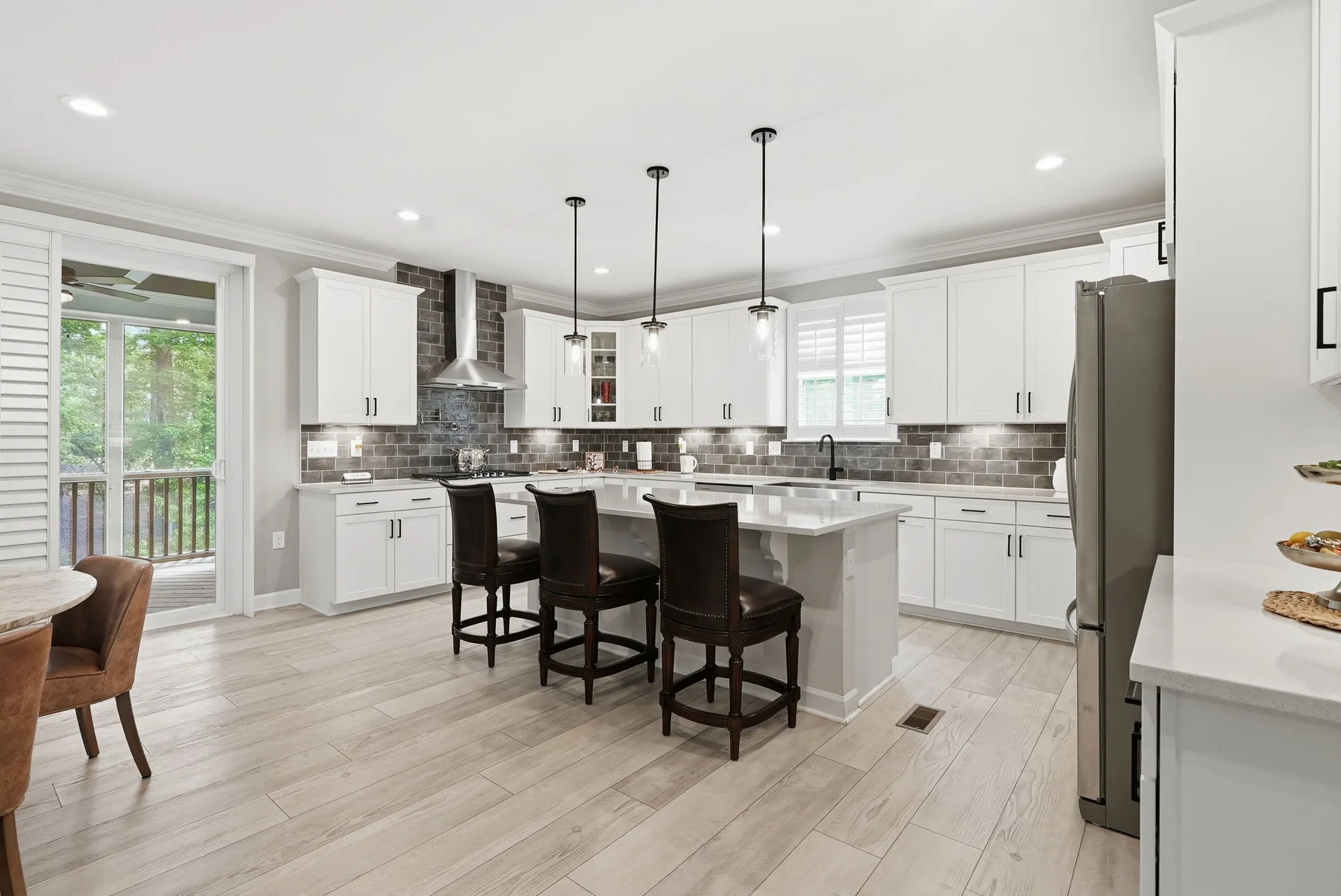
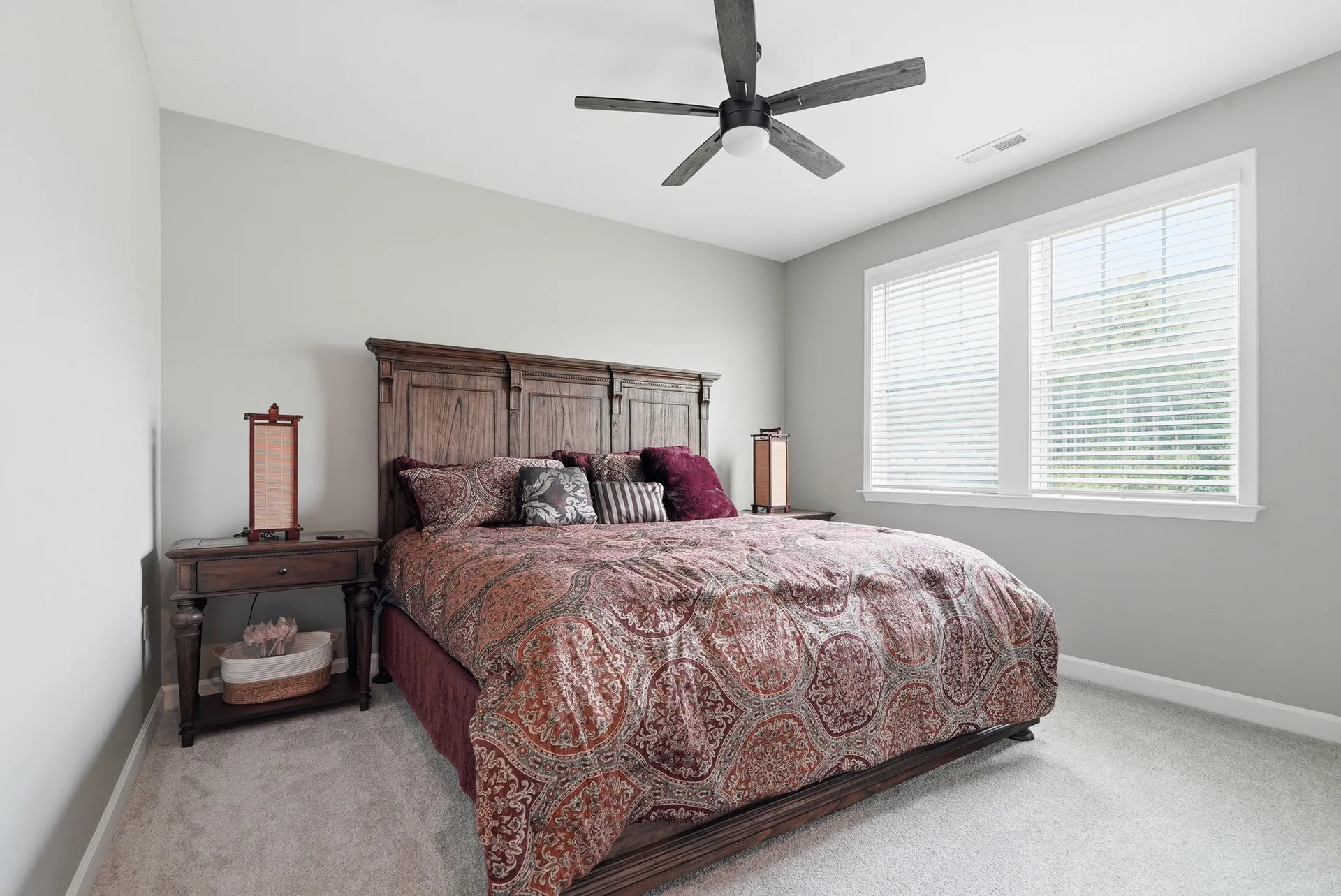
A home at 297 Bonaventure Dr in Portofino sits at the intersection of two worlds — the modern, gated luxury of a resort-style community and the deep, rooted history of one of North Carolina's most interesting counties. When you pull through the stone gatehouse at Portofino's entrance, you leave behind the rush of the day. But just minutes outside the gate, you can walk through 25 blocks of National Register historic district, tour a Civil War battlefield, visit a Hollywood museum, or follow a lantern-lit ghost walk through downtown.
This is not a place that was built overnight. It grew from a railroad depot, through cotton mills and tobacco fields, past Civil War surrender and Reconstruction, into the thriving Triangle community it is today. That history gives Clayton a character that newer suburbs simply cannot manufacture.
For buyers who value both modern luxury and authentic community character, 297 Bonaventure Dr offers the best of both — a home built for today, in a place shaped by centuries.
Ready to experience the lifestyle for yourself? Schedule a private tour or call Phil Slezak at 919-899-2320.

Phil leads one of the top-producing real estate teams in the Greater Triangle and Brunswick County areas, with over $200 million in sales and a growing footprint across North Carolina.